Have you ever gazed at a fluffy Persian or a majestic Maine Coon and wondered when these long-haired cat breeds begin to flaunt their luxurious coats? If you're a cat enthusiast or a proud owner of a kitten destined for a mane of grandeur, you're in the right place.
Understanding when these feline beauties start to develop their iconic long hair can be as fascinating as the cats themselves. Imagine the excitement of watching your adorable kitten transform into a magnificent feline with flowing fur. We'll uncover the secrets of this transformation, providing insights that will help you anticipate and appreciate every stage of your cat's growth.
So, if you're curious about the timeline of your furry friend's journey to becoming a long-haired wonder, keep reading. You'll discover not only when but also how to nurture their coat to its fullest potential.
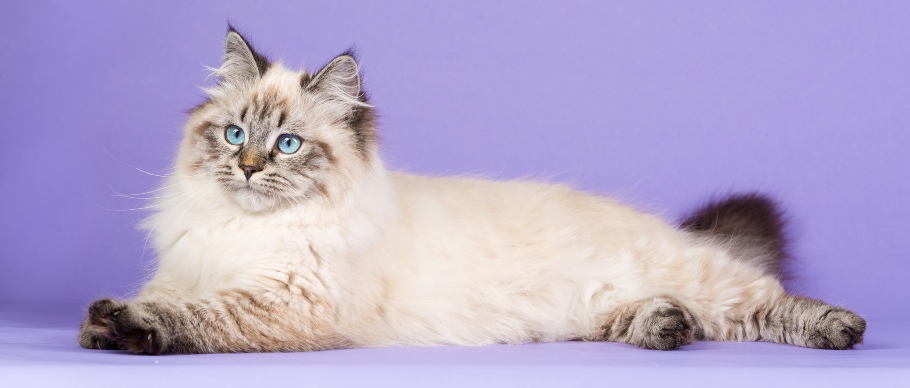
Credit: www.fourpaws.com
Characteristics Of Long-haired Cat Breeds
Long-haired cat breeds are often admired for their stunning coats that flow like silk. These breeds possess unique characteristics that distinguish them from their short-haired counterparts. If you've ever wondered about the charm that long-haired cats exude, let's delve into their fascinating traits.
Long-haired cats are known for their luxurious and soft fur that requires regular grooming. The coat isn't just for aesthetics; it provides warmth and protection. As a cat owner, you'll find yourself brushing their fur frequently to avoid tangles and mats. This grooming ritual can become a bonding experience, fostering a deeper connection between you and your feline friend.
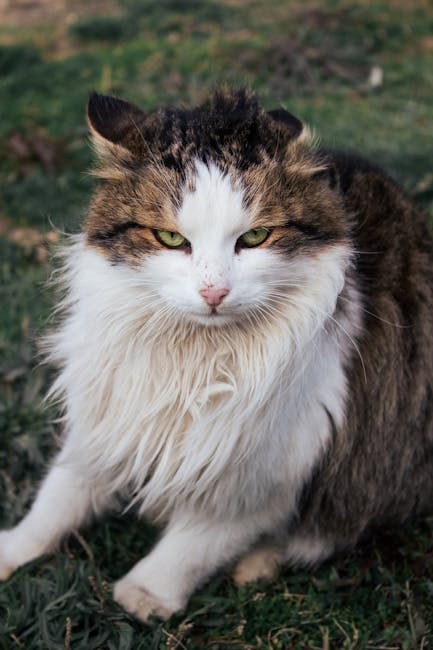
These cats often have a majestic appearance, with their fur adding to their regal demeanor. Imagine the pride you feel when your long-haired cat struts around the house with its flowing tail held high, resembling royalty. Their coats can vary in color and pattern, offering a wide array of visual appeal. Whether your cat has a solid, tabby, or calico coat, each pattern adds a unique flair to their appearance.
Adaptability To Different Environments
Surprisingly, long-haired cats adapt well to various climates, despite what their thick coats might suggest. While their fur offers extra warmth in colder months, it’s also capable of providing insulation during hotter weather. Have you noticed how your cat stretches out in a sunbeam, enjoying the heat while their coat keeps them comfortable? This adaptability makes them suitable for homes in diverse regions.
Personality Traits
Long-haired cats often exhibit calm and affectionate personalities. You might find them lounging beside you as you read or work, offering quiet companionship. They can be playful, chasing toys or engaging in gentle antics, yet they often prefer a peaceful environment. Their gentle demeanor makes them excellent companions for individuals seeking a relaxed pet. Do you see your long-haired cat as a comforting presence in your home?
Health Considerations
While their beauty is undeniable, long-haired cats require specific care to maintain their health. Their dense fur can hide skin issues or parasites, so regular check-ups are crucial. The grooming process helps you monitor their health, ensuring their skin stays healthy and their coat gleams. Paying attention to their diet can also affect the quality of their fur, so consider incorporating omega-rich foods for optimal coat health.
Long-haired cat breeds offer more than just aesthetic appeal; their traits and behaviors enrich the lives of those who care for them. As you discover the joys of owning a long-haired cat, what unique characteristics have you observed in your feline friend?

Credit: www.trupanion.com
Popular Long-haired Cat Breeds
Long-haired cats captivate with their luxurious coats. These breeds are adored for their majestic appearance and gentle demeanor. Each breed offers a unique charm that makes them popular among cat lovers. Discover the beauty and characteristics of these beloved long-haired cat breeds.
Maine Coon
Maine Coons are known for their large size and tufted ears. They have thick, water-repellent fur that starts growing long during their kitten stage. These cats are friendly and easy-going, making them great companions. Their bushy tails and long hair keep them warm in colder climates.
Persian
Persians are famous for their round faces and short noses. Their long, flowing coats require regular grooming to maintain their beauty. Persians develop their long hair early in life. They are gentle and enjoy a calm environment, perfect for indoor living.
Ragdoll
Ragdolls are large cats with striking blue eyes. Their semi-long fur is soft and silky, adding to their appeal. Ragdolls get their long hair as they mature, usually by their first birthday. Known for their docile nature, they often go limp when held.
Norwegian Forest Cat
Norwegian Forest Cats have a rugged appearance, suited for harsh climates. Their dense, double-layered coats grow long as they develop into adults. These cats are playful and intelligent, requiring space to explore. Their long hair provides insulation, making them resilient in colder weather.
Stages Of Coat Development
Long-haired cats typically begin developing their luxurious coats around three to six months of age. During this time, their fur gradually grows longer and fuller, reaching its complete length in about two years. This process can vary among different breeds, influenced by genetics and environmental factors.
Understanding the stages of coat development in long-haired cat breeds is a fascinating journey. These fluffy companions don't start with their iconic long fur. The growth of their luxurious coats is a gradual process that happens over several distinct phases.
Kitten Phase
In the early days, kittens sport a soft and short coat. This initial fur is more about warmth and protection than style. If you've ever cuddled a kitten, you know just how irresistibly soft they are. This phase is crucial for their development and bonding. The short fur keeps them warm, while allowing them to explore and play without any hindrance. You might even notice slight changes in texture as they grow, hinting at the future fluffiness to come.
Adolescent Phase
As kittens mature into adolescence, you'll start noticing changes in their fur. The coat becomes thicker and begins to show signs of the length that long-haired breeds are known for. This is when grooming becomes important. Regular brushing can help manage shedding and prevent matting. Have you ever tried brushing a squirmy adolescent cat? It can be quite the challenge, but it's vital for keeping their coat healthy.
Adult Phase
By adulthood, a long-haired cat's coat has reached its full glory. It's at this stage that they display the full extent of their breed's characteristics. The fur is long, flowing, and requires consistent care. Regular grooming sessions are a must to maintain their coat's beauty. This not only helps with hygiene but also strengthens your bond with your cat. Imagine the satisfaction of seeing your feline friend strut around with a well-maintained, majestic coat. Have you ever wondered how your care impacts your cat's coat? By understanding these stages, you can provide the best possible care throughout their life. Your efforts will reward you with a healthy, happy, and stunningly beautiful feline companion.
Factors Influencing Coat Growth
Long-haired cats captivate with their stunning, flowing coats. Yet, their hair does not appear overnight. Several factors influence how their coats grow. Understanding these factors helps anticipate when cats get their lush locks.
Genetics
Genetics play a huge role in coat growth. Long-haired cat breeds inherit specific genes. These genes decide the coat's length, texture, and density. Each breed has its unique genetic makeup. This makeup influences when their hair grows longer. Some breeds develop long hair earlier than others.
Nutrition
Nutrition significantly affects a cat's coat. A balanced diet supports healthy hair growth. Cats need proteins, vitamins, and minerals. These nutrients strengthen the hair and improve shine. Poor nutrition can delay coat development. Providing quality food ensures a thick and healthy coat.
Health Conditions
Health conditions impact the growth of a cat's coat. Illness or stress can slow hair growth. Skin problems also affect coat quality. Regular vet check-ups ensure your cat stays healthy. A healthy cat grows a beautiful, long coat.
Seasonal Changes In Coat Appearance
Long-haired cat breeds usually develop their luxurious coats as they mature. Seasonal changes can influence coat thickness and appearance. Cats may shed some fur in warmer months, revealing their full-length coats when temperatures drop.
Long-haired cat breeds often showcase a mesmerizing transformation in their coat appearance with the change of seasons. Just like you swap out your summer wardrobe for cozy winter sweaters, these cats undergo a natural process that adjusts their fur length and density. Understanding how and why this happens can deepen your appreciation for these furry companions and help you better care for them.
Understanding The Seasonal Shedding Cycle
Cats, much like other animals, experience a shedding cycle that aligns with the seasons. As temperatures drop, their bodies prepare for colder weather by developing a thicker, longer coat. This natural adaptation ensures they stay warm and comfortable. In spring, you'll notice increased shedding as they shed the extra fur. This helps them stay cooler during the warmer months. Have you ever noticed more fur around your house in spring and wondered why?
How Photoperiod Affects Fur Growth
Photoperiod, or the amount of daylight in a day, plays a crucial role in fur growth. As daylight hours decrease in autumn, your cat's body triggers fur growth to create a warm winter coat. This is an innate response to the changing seasons. Conversely, as the days get longer in spring, the shedding process begins. This fascinating biological process ensures your cat is optimally adapted to its environment. It's a remarkable reminder of nature's precision.
Breeds With Pronounced Seasonal Changes
Some cat breeds exhibit more noticeable seasonal changes in their coats than others. Maine Coons, for instance, develop a lush, thick undercoat in winter that they shed in spring. This transition is not only beautiful but also practical for their survival. Persians also undergo a striking transformation, with their already luxurious fur becoming even more voluminous in colder months. Witnessing these changes can be both a joy and a challenge. Have you ever been surprised by just how much your cat's appearance can change?
Practical Tips For Managing Seasonal Shedding
Frequent grooming is essential during shedding seasons to manage loose fur and prevent matting. Use a high-quality brush to keep their coat healthy and reduce the amount of fur around your home. Regular grooming sessions can also be a bonding experience. Consider adjusting your cat's diet to support healthy fur growth. Supplements like omega-3 fatty acids can promote a shiny, strong coat. How do you ensure your cat's comfort and health during these seasonal transitions?
Personal Experience: A Lesson From Fluffy
I remember when my cat, Fluffy, first experienced a significant seasonal change. Her coat became so thick and plush in winter that she looked twice her size. It was a delightful surprise! Regular grooming became our new ritual. It was a time for bonding and ensuring her comfort. This experience taught me how crucial it is to stay attuned to these changes for her well-being. Have you had similar moments with your long-haired feline friend?
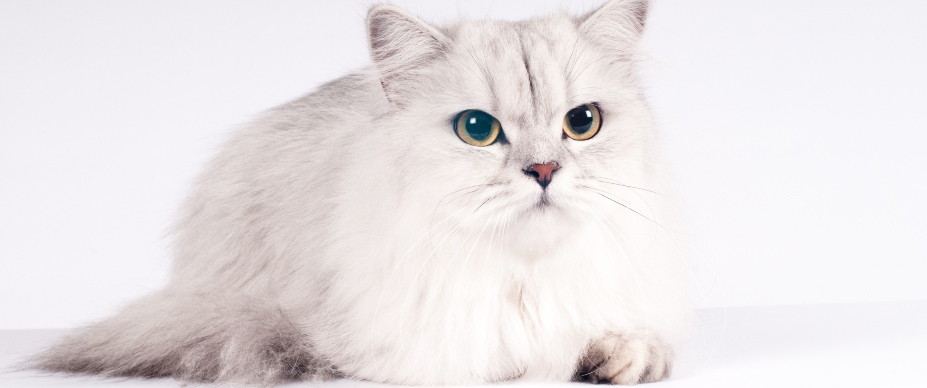
Credit: www.fourpaws.com
Grooming Needs Of Long-haired Cats
Long-haired cats captivate with their luxurious, flowing coats. These beautiful creatures need special care to maintain their stunning appearance. Regular grooming is essential for their health and comfort. Without proper care, their fur can become tangled and dirty. Let's explore the key grooming needs for long-haired cat breeds.
Daily Brushing
Daily brushing is crucial for long-haired cats. It helps remove loose hair and prevents tangles. Use a gentle brush to avoid hurting your cat's skin. Regular brushing keeps your cat's coat smooth and shiny. It also minimizes shedding around your home.
Dealing With Matting
Mats can form if long-haired cats aren't brushed often. Mats are clumps of tangled fur that can be painful. Gently work through mats with your fingers or a mat comb. Do not pull hard to avoid hurting your cat. If mats are severe, seek help from a professional groomer.
Bathing And Hygiene
Long-haired cats might not need frequent baths. But bathing can help keep their coats clean. Use cat-friendly shampoo and warm water. Make sure to rinse thoroughly. Dry your cat completely with a towel to prevent chills. Regular baths can reduce dandruff and keep your cat smelling fresh.
Common Myths About Long-haired Cats
Long-haired cats are often surrounded by myths that can lead to misunderstandings about their care and characteristics. Whether you're a seasoned cat owner or considering adopting your first feline friend, it's important to separate fact from fiction. Let’s debunk some common myths about long-haired cats, focusing on shedding and allergies.
Shedding Myths
It's a common belief that long-haired cats shed more than their short-haired counterparts. However, shedding is influenced more by the cat's overall health and environment than by hair length. A healthy diet and regular grooming can significantly reduce shedding.
I once had a neighbor who avoided adopting a long-haired cat due to fear of excessive shedding. After visiting my home and seeing how manageable it was with regular grooming, he reconsidered. This shows that shedding is not as daunting as many think.
Would you believe that some short-haired breeds shed just as much? Regular brushing is key, regardless of the breed. It helps manage shedding and keeps your home fur-free.
Allergy Misconceptions
Many people think long-haired cats cause more allergies due to their abundant fur. Interestingly, it's not the fur itself that triggers allergies. It's proteins found in cat saliva and skin that are the culprits.
A friend with cat allergies was surprised to learn that spending time around a long-haired cat didn’t worsen her symptoms. This is because the amount of fur doesn't directly correlate to allergy severity.
If you're concerned about allergies, consider allergy-friendly breeds or consult your doctor for advice. Long-haired cats might still be an option for you.
Have you ever avoided a long-haired cat due to allergy fears? Understanding the real cause of allergies can open up new possibilities for companionship.
When myths are debunked, it allows you to make informed decisions about long-haired cats. Consider how these insights might change your perception, and maybe even open the door to adopting a feline friend with flowing locks!
Frequently Asked Questions
When Do Long Haired Kittens Develop Their Fur?
Long haired kittens usually start developing their luxurious fur around 8 to 12 weeks of age. As they grow, their fur continues to thicken and lengthen, reaching full maturity by around 2 years. Regular grooming from an early age can help maintain their coat’s health and appearance.
Are All Long Haired Cat Breeds Similar?
Not all long haired breeds are identical; each has unique characteristics. Some have denser, wool-like coats, while others have sleek, flowing hair. Breeds like Persians and Maine Coons have distinct grooming needs. Understanding each breed’s specific fur type can aid in proper care and maintenance.
How To Care For Long Haired Cats?
Caring for long haired cats involves regular grooming to prevent tangles and matting. Brushing their coat daily helps keep it healthy and shiny. Pay attention to their diet; nutrition influences fur quality. Regular vet check-ups ensure their skin and coat remain in optimal condition.
Do Long Haired Cats Shed More?
Long haired cats typically shed more than short haired breeds. Their dense fur requires regular grooming to manage shedding. Seasonal changes can increase shedding, so extra care during spring and fall is beneficial. Using a shedding brush can help manage loose fur effectively.
Conclusion
Understanding when long-haired cats get their fur can help owners. Most long-haired breeds start developing their distinctive coats at a young age. Around 4 to 6 months, their hair begins to grow longer. Some cats may take a bit longer.
Patience is key. Regular grooming ensures their fur stays healthy and beautiful. Enjoy watching your cat's coat flourish over time. Each breed has its unique timeline. Embrace the process. Your furry friend will soon have the luxurious fur you love.
Share your knowledge with other cat lovers. It can make a difference.