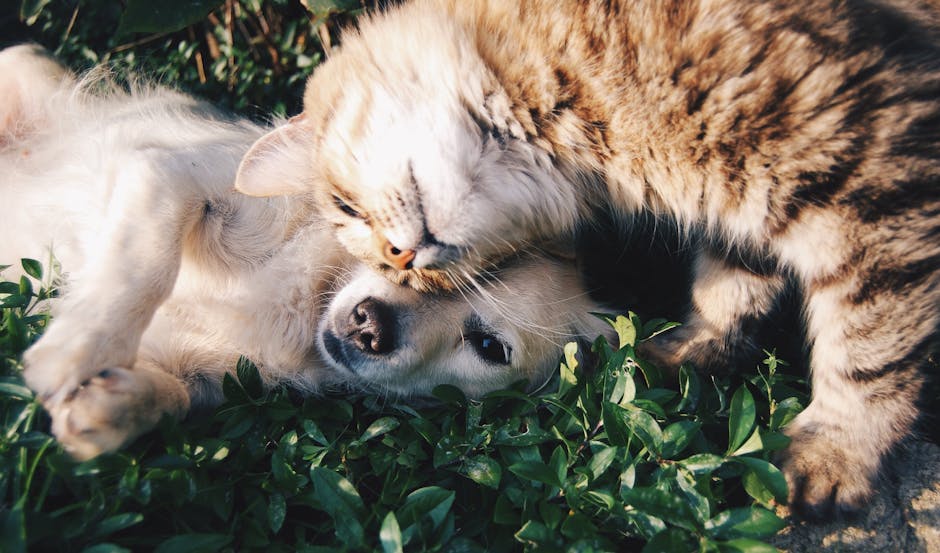
Are you dreaming of a harmonious household with both a dog and a cat? You're not alone.
Many pet lovers like you wonder if their favorite furry friends can truly get along. Imagine the joy of watching your dog and cat play together, nap side by side, or even share a sunny spot by the window. It's not just a dream; it's possible with the right breeds.
We'll explore which dog and cat breeds are most likely to become best pals. You'll discover the secrets to creating a peaceful, happy home where both your dog and cat can thrive. Keep reading to find out how to make this dream a reality for your family.
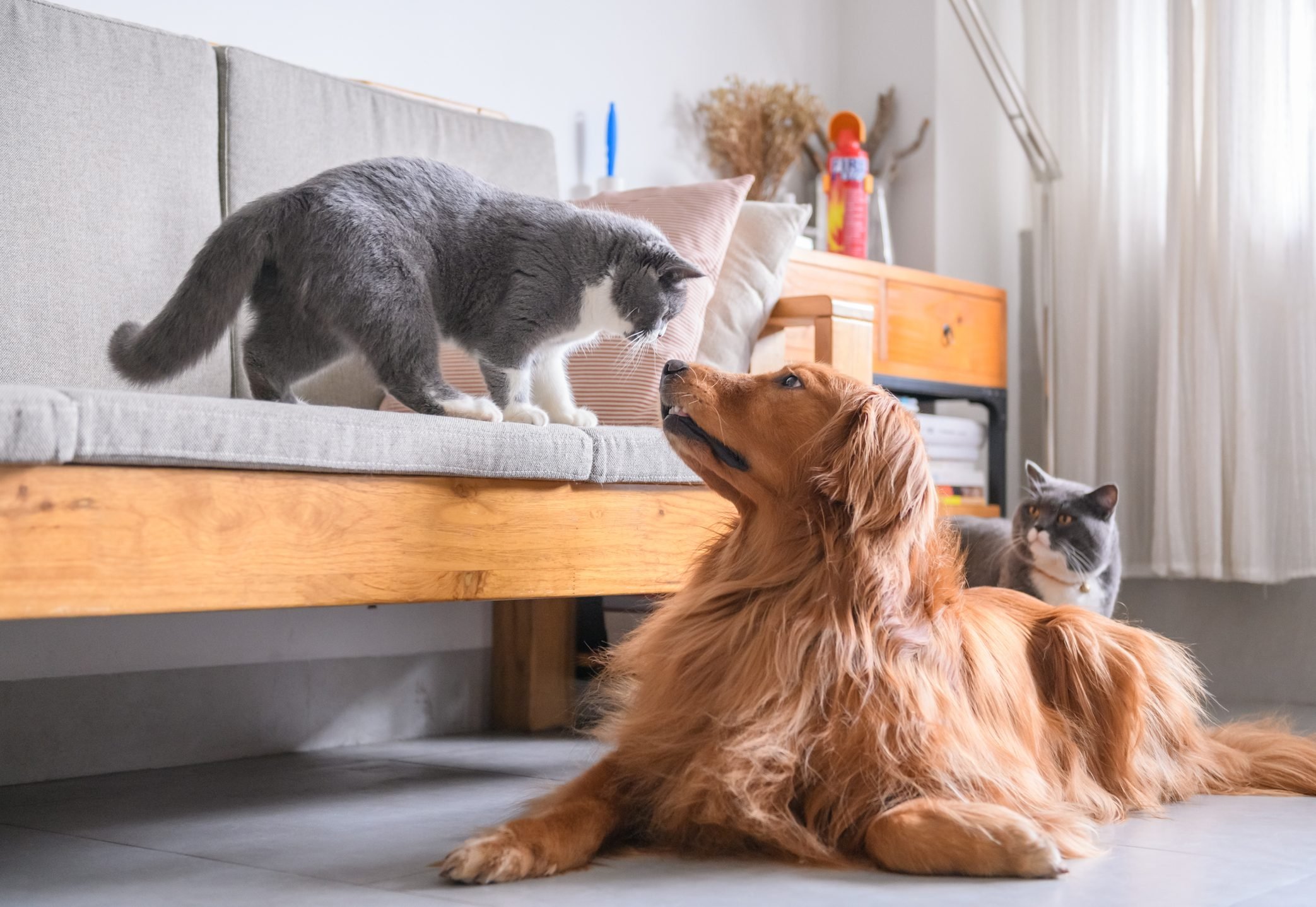
Credit: www.rd.com
Factors Influencing Compatibility
Introducing a new cat to your dog, or vice versa, can be a fun but challenging experience. You might be wondering: what makes some breeds get along better than others? Understanding the factors that influence compatibility can help. It's not just about choosing the right breed; it's also about considering temperament, size, energy levels, age, and socialization. Let's explore these aspects to ensure a harmonious pet pairing.
Temperament Considerations
Temperament plays a huge role in how well dogs and cats get along. Some dogs are naturally gentle and patient, while others may be more energetic or territorial. Similarly, cats can range from social butterflies to solitary hunters. Picture your calm Labrador snuggling up with a laid-back Ragdoll cat. They both love lounging around, making them a perfect match. Think about how your pet behaves around others, including humans and animals.
Ask yourself: does your dog bark at every little noise? Or does your cat hiss when approached? If yes, you might need to invest time in training before introducing a new pet. Breed characteristics can guide you, but individual personality matters more.
Size And Energy Levels
Size differences can affect how dogs and cats interact. A large dog might unintentionally intimidate a small cat. Alternatively, a small dog might see a large cat as a threat. Consider the energy levels, too. High-energy breeds like Border Collies might overwhelm a lazy cat, like a Persian.
Matching a dog and cat with similar energy levels can prevent conflicts. If your dog loves to run and play, a playful cat breed like the Abyssinian might be a good fit. A balanced dynamic is key to a peaceful coexistence.
Age And Socialization
The age of your pets can significantly impact their compatibility. Older pets are often more set in their ways, while younger ones may be more adaptable. Think about how your teenage dog might annoy a senior cat with its constant need for attention.
Socialization from a young age can foster a more accepting attitude in pets. Have you ever noticed how some animals seem unbothered by new experiences? That's often due to early exposure to different environments and creatures. Consider starting socialization early to increase the chances of harmony.
Remember, introducing a new pet doesn't have to be stressful. By considering these factors, you can make an informed decision that benefits both your furry friends. What unique qualities do your pets have that might influence their compatibility?
:strip_icc()/DogAndCat461331121-56a9c1f25f9b58b7d0febc84.jpg)
Credit: www.thesprucepets.com
Dog Breeds Known For Getting Along With Cats
Choosing the right dog breed can make a harmonious home with cats. Some dogs naturally get along well with feline friends. These breeds are friendly, gentle, and adaptable, making them great companions for cats.
Golden Retriever
Golden Retrievers are known for their friendly nature. They are patient and tolerant, making them excellent with cats. Their gentle demeanor ensures peace in the household.
Labrador Retriever
Labrador Retrievers are sociable and easy-going. Their playful attitude matches well with cats. Labs are intelligent and trainable, making integration smooth.
Bichon Frise
Bichon Frises are cheerful and loving. They enjoy companionship, whether human or feline. Their affectionate personality makes them suitable for households with cats.
Cavalier King Charles Spaniel
Cavalier King Charles Spaniels are sweet and friendly. They thrive on company and are gentle with cats. Their calm nature promotes a peaceful environment.
Poodle
Poodles are smart and adaptable. They are friendly and get along well with cats. Their intelligence aids in understanding and respecting feline boundaries.
Cat Breeds Known For Getting Along With Dogs
Choosing the right cat breed can create harmony in a multi-pet household. Some cat breeds are naturally friendly with dogs. These breeds have temperaments that make them perfect companions. Let's explore cat breeds known for getting along with dogs.
Maine Coon
Maine Coons are gentle giants. They are friendly and sociable. This breed enjoys being around other animals, including dogs. Their calm nature helps them adapt to canine company.
Ragdoll
Ragdolls are known for their relaxed demeanor. They are affectionate and enjoy companionship. Ragdolls often welcome dogs into their space. Their easygoing attitude makes them great partners for dogs.
Siberian
Siberians are playful and loving. They are curious and enjoy social interactions. This breed often bonds well with dogs. They are known for their adaptability and friendly nature.
Burmese
Burmese cats are energetic and affectionate. They thrive on social interaction. This breed is often comfortable around dogs. Their playful nature makes them great companions for active dogs.
Abyssinian
Abyssinians are curious and active. They enjoy exploring and interacting. This breed is often friendly with dogs. Their energetic nature allows them to match a dog's playfulness.
Introducing Dogs And Cats
Certain dog and cat breeds naturally get along better. Labrador Retrievers and Golden Retrievers often pair well with friendly cats. Maine Coons and Ragdolls are cat breeds known for their calm nature, making them good companions for dogs.
Introducing dogs and cats to each other can be challenging. But with patience, it can lead to a harmonious relationship. Both animals have different behaviors and communication styles. Dogs are often more social and energetic. Cats may be more reserved and independent. Understanding these differences is key to a successful introduction. It helps to know which breeds tend to get along. Some breeds are naturally more compatible. Let's dive into how you can introduce them smoothly.
Creating A Safe Space
Start by preparing a separate space for each pet. This allows them to feel secure. Use baby gates or closed doors to keep them apart. Each pet needs its own sanctuary. This is where they can relax without disturbances. Make sure their space has toys, food, and water. A cozy bed can also help. This way, they don't feel threatened by the newcomer. Over time, let them sniff each other's scent. Exchange their bedding to familiarize them with the new smell. This helps them get used to the idea of sharing their home.
Supervised Interactions
Once they are comfortable with scents, move to the next step. Supervised interactions are crucial. Bring them together in a controlled setting. Keep dogs on a leash during the first meetings. This ensures safety for both pets. Watch their body language closely. Look for signs of stress or aggression. Reward calm behavior with treats and praise. Keep these sessions short and positive. Gradually increase the time they spend together. If you notice tension, separate them calmly. Try again later when they are relaxed.
Gradual Introduction Techniques
Patience is key during introductions. Use gradual techniques to ease them into companionship. Start with visual contact only. Let them see each other from a distance. Observe their reactions carefully. Once they seem comfortable, move them closer. Allow brief moments of interaction. Gradually increase their time together. Maintain a calm environment to reduce anxiety. Be consistent with routines. Consistency builds trust and reduces stress. Follow these steps for a smooth integration. Your pets will soon enjoy each other's company.
Training Tips For Harmonious Living
Bringing dogs and cats together can seem challenging. Yet, with the right training, harmony is possible. Proper training helps them coexist peacefully. Training focuses on understanding both pets' needs. It builds a safe, friendly environment. Consistent effort ensures a happy household.
Positive Reinforcement
Encourage good behavior through positive reinforcement. Use treats, praise, or playtime. Reward your pets when they act calmly. Reinforce peaceful interactions between them. This builds trust and mutual respect. Consistency is key. Never reward negative behavior. This sets clear expectations.
Establishing Boundaries
Create boundaries for your pets. Designate specific areas for each. Dogs and cats need personal spaces. Respecting these spaces reduces conflict. Use gates or barriers if needed. Monitor their interactions closely. Gradually allow more shared space.
Addressing Behavioral Issues
Address behavioral issues promptly. Look for signs of stress or aggression. Consult a professional if needed. Early intervention prevents escalation. Use calm, firm commands. Redirect negative behavior with toys or activities. Patience and understanding are vital. Foster a peaceful environment.
Signs Of A Successful Friendship
Bringing a dog and a cat together can be challenging. Yet, certain breeds naturally get along. Observing signs of a successful friendship is key. Some behaviors indicate harmony between your furry friends. Understanding these signs helps ensure a peaceful home.
Playful Interactions
Playful interactions often show a strong bond. Dogs and cats might chase each other around the house. This play is gentle, without aggression. Both pets take turns being the chaser and the chased. Their tails may wag or swish with excitement. This playful energy reflects mutual enjoyment.
Mutual Grooming
Mutual grooming is a heartwarming sign of friendship. Cats may lick the dog's ears or face. The dog might return the favor. This behavior strengthens their bond. It shows trust and affection. Such care signifies a deep connection between them.
Relaxed Body Language
Relaxed body language indicates comfort and peace. Pets may rest close to each other. Their bodies appear loose and calm. Eyes may be half-closed, signaling relaxation. Neither pet shows signs of tension. This calm state suggests they feel safe together.

Credit: www.nylabone.com
Frequently Asked Questions
What Dog Breeds Get Along With Cats?
Certain dog breeds, like Golden Retrievers and Labrador Retrievers, are known for their gentle and friendly nature. These breeds often get along well with cats. Their calm demeanor and sociable personality make them ideal companions for felines, minimizing conflict and fostering harmonious cohabitation.
Can Cats And Dogs Live Together Peacefully?
Yes, cats and dogs can coexist peacefully with proper introductions. Training dogs to respect cats and providing separate spaces can help. Gradual introductions and positive reinforcement encourage friendly interactions, helping them build a harmonious relationship over time.
Which Cat Breeds Are Dog-friendly?
Breeds like the Maine Coon and Ragdoll are typically dog-friendly. They are known for their laid-back and sociable nature. These cat breeds are often comfortable around dogs, making them great choices for multi-pet households.
Are Small Dogs Better With Cats?
Small dogs can get along with cats, but it's not guaranteed. Their size may be less intimidating to cats. However, temperament is key; ensuring both pets are well-socialized can lead to a peaceful relationship, regardless of their size.
Conclusion
Finding the right dog and cat breeds that get along is key. It ensures harmony in your home. Some breeds naturally have friendly dispositions. They adapt well to each other's presence. Remember, individual personalities matter too. Introductions should be slow and supervised.
Patience is essential for building trust. Always consider your pets' needs and comfort. A peaceful home benefits everyone, pets and humans alike. A happy pet means a happy owner. Choose wisely and enjoy the companionship they offer. Embrace the joy they bring to your life.